
How Automated Trading is Transforming Financial Markets
Safety and Ethics in Crypto Trading
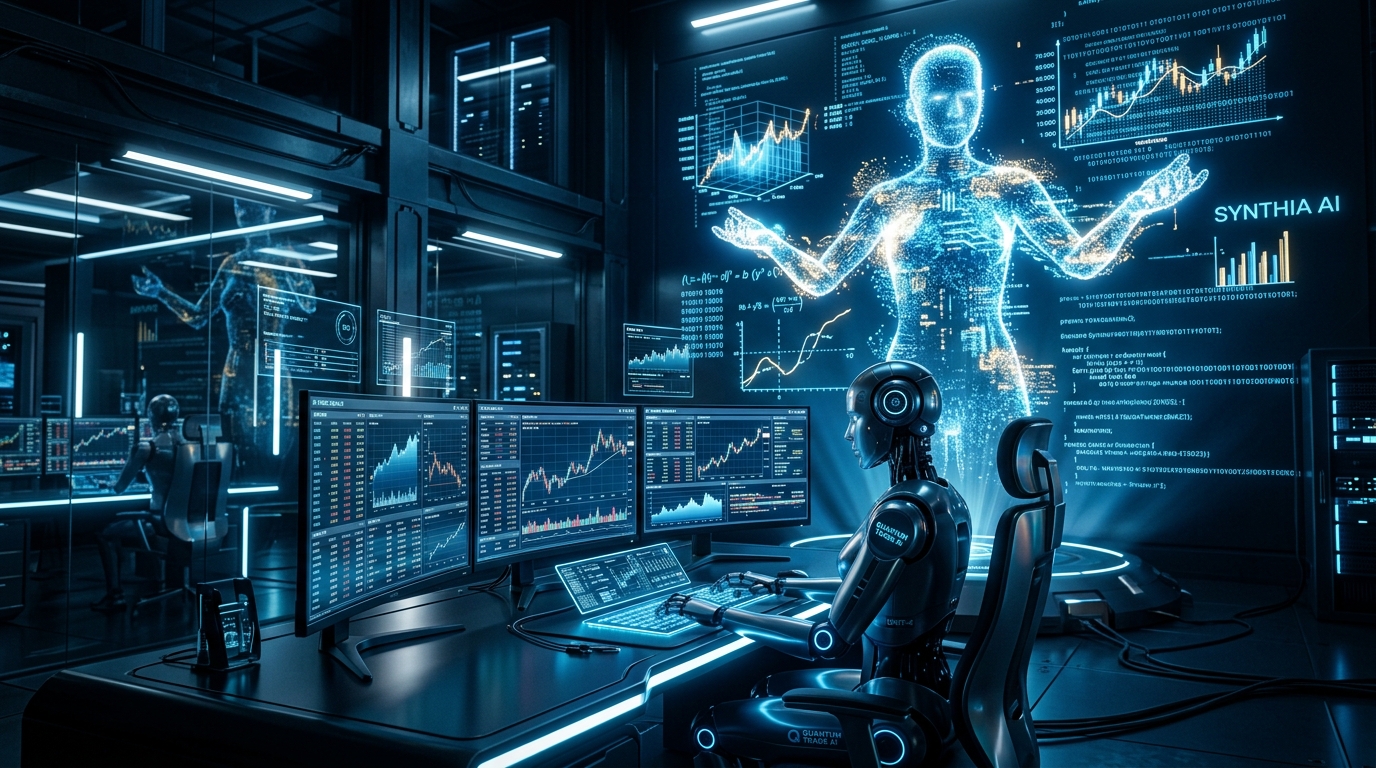
The rise of automation in financial markets is revolutionizing trading practices. Originating from algorithmic trading, the evolution into intricate machine-learning frameworks has rendered automated systems indispensable for both institutional and individual traders. This article delves into how automation is reshaping financial markets, highlighting vital technologies, strategies, advantages, obstacles, and the ethical dimensions of this transformation.
Understanding Automated Trading
Automated trading involves leveraging computer systems to carry out trades based on pre-defined algorithms without human oversight. These systems evaluate market data instantaneously, executing decisions with a speed and accuracy beyond human capabilities. The journey of automated trading began in the late 1970s with basic rule-based models, evolving into advanced platforms that utilize artificial intelligence (AI) and machine learning technologies.
Technology's Influence on Automated Trading
The evolution of automated trading has been significantly influenced by cutting-edge technology. By harnessing machine learning and artificial intelligence, trading platforms can evolve, recognizing trends and fine-tuning tactics over time. The introduction of high-frequency trading (HFT) has transformed the landscape, allowing for rapid execution of numerous trades within seconds, capitalizing on slight price variations. Additionally, advancements in cloud computing, extensive data analysis, and enhanced network capabilities have empowered traders to implement these sophisticated algorithms worldwide, accessing financial markets around the clock with minimal delays.
Understanding Automated Trading Systems
Automated trading systems are designed through algorithms—comprehensive sets of rules articulated in various programming languages. These systems can vary widely, from straightforward strategies that trigger purchases when a stock reaches a designated price to intricate AI-enhanced models that analyze past data to forecast future market trends.
Categories of automated trading systems include:
- Criteria-Based Systems: Carry out trades according to established, specific conditions.
- AI-Powered Solutions: Evolve and refine through constant learning, leveraging extensive datasets to enhance trading decisions.
- Integrated Systems: Merge traditional strategies with advanced machine learning techniques for superior trading results.
- blog_three_question_4.subtitle_4: blog_three_question_4.desc_4
Varieties of Automated Trading Approaches
Every approach utilizes complex algorithms, necessitating precise tuning and vigilant risk assessment.
In the realm of automated trading, various strategies are employed based on market dynamics and individual objectives. Notable methods include:
- Arbitrage Techniques: These take advantage of discrepancies in pricing across different markets or exchanges.
- Momentum Trading Approaches: These concentrate on capitalizing on prevailing market trends, buying during price surges and liquidating during declines.
- Mean Reversion Techniques: Leverage the expectation that asset prices will return to their average levels following substantial fluctuations.
- Liquidity Provision Techniques: Gain from the difference between buying and selling prices by executing simultaneous orders.
Advantages of Algorithmic Trading
Algorithmic trading empowers traders to capitalize on market opportunities without emotional interference.
The use of algorithmic trading systems presents numerous benefits compared to traditional methods. Primary advantages include:
- Swift Execution: Advanced algorithms can process trades at lightning speed, seizing market opportunities before they vanish.
- Minimization of Errors: Automated trading removes the risk of emotional influences and biases, fostering reliability in outcomes.
- Around-the-Clock Access: These intelligent systems function non-stop, guaranteeing that traders are always positioned to act on market movements.
- Strategic Testing and Enhancement: Prior to implementing trading strategies, investors can evaluate them against past market data, refining for better results and reducing exposure to risk.
Dangers and Obstacles of Automated Trading
**The Advantages of Crypto Trading in Ireland** Engaging in crypto trading through platforms like Croft Tradstead offers numerous advantages for investors in Ireland. Firstly, the accessibility of cryptocurrencies allows traders to participate in a global market that operates 24/7, providing flexibility and opportunities beyond traditional trading hours. This constant availability enables participants to react swiftly to market fluctuations, enhancing their potential for profit. Moreover, the diverse range of cryptocurrencies available for trading facilitates portfolio diversification. Investors can spread their risk across various digital assets, mitigating potential losses associated with market volatility. Additionally, the innovative nature of blockchain technology underlying cryptocurrencies fosters a sense of security and transparency, which is increasingly appealing to Irish traders. Furthermore, the potential for high returns attracts many individuals to crypto trading. While the market is inherently volatile, strategic investments can yield significant profits, particularly when leveraging tools such as margin trading or automated trading bots offered by Croft Tradstead. This access to advanced trading features empowers users to optimise their trading strategies effectively. In summary, the dynamic landscape of crypto trading presents a unique array of benefits for Irish investors, making platforms like Croft Tradstead an attractive option for those looking to enhance their financial portfolios in the evolving digital economy.
Although automated trading provides numerous advantages, it carries inherent risks. Significant challenges include:
- Risks from Market Fluctuations: Automated trading systems can heighten market volatility, particularly during unexpected downturns or rapid sell-offs, where cascading sell orders may ensue.
- Rapid Market Declines: A notable incident in 2010 saw an algorithm-induced crash that caused a swift plummet in market values, erasing billions in mere moments.
- Systematic Glitches: Technical malfunctions, outages, or programming errors can lead to substantial financial setbacks for traders.
- blog_three_question_7.subtitle_4: blog_three_question_7.desc_4
The Influence of Automated Trading on Worldwide Financial Markets
The rise of automated trading has revolutionized market dynamics, enhancing liquidity and operational efficiency. Trades are executed with remarkable speed and frequency, resulting in improved liquidity across various asset categories. Nevertheless, the increasing reliance on technology is diminishing the presence of human traders, as automation takes over roles traditionally held by people, thereby transforming the financial employment landscape.
Automated Trading Across Various Financial Markets
Automated trading platforms showcase their adaptability by functioning within a multitude of markets, such as:
- Equities: Equity trading algorithms are among the most sophisticated, utilized by both institutional investors and individual traders seeking to maximize returns.
- Forex: Automated trading systems have revolutionized the forex landscape, enabling swift reactions to international news and economic indicators.
- Raw Materials: From precious metals to energy resources, raw materials markets thrive on algorithmic trading strategies that exploit market trends and price discrepancies.
- Digital Currencies: The cryptocurrency landscape, characterized by its inherent volatility and round-the-clock operation, is ideally suited for automated trading solutions that can quickly adapt to market fluctuations.
Navigating Regulatory Hurdles
The governance of automated trading is essential for maintaining market integrity. Regulatory agencies such as the Central Bank of Ireland have established guidelines to mitigate risks and enhance transparency. However, as AI systems grow increasingly intricate, these authorities encounter difficulties in keeping pace with technological advancements. Additionally, ethical dilemmas arise, particularly regarding the risk of algorithmic market manipulation.
Institutional Investors and Their Use of Automated Trading
Institutional investors, especially hedge funds and proprietary trading firms, are significantly leveraging automated trading solutions to secure competitive advantages. Quantitative analysts, known as 'quants,' create advanced models that harness big data, artificial intelligence, and machine learning to surpass conventional trading approaches. Numerous hedge funds attribute a large portion of their achievements to automated systems, much like the renowned Medallion Fund by Renaissance Technologies.
Automated Trading Options for Retail Traders
Recent technological breakthroughs have made automated trading accessible to retail traders. Platforms such as MetaTrader and TradeStation provide straightforward access to trading bots, while social trading networks enable users to replicate the strategies of successful traders. Retail investors can also opt to buy or design personalized trading bots that automate their trading techniques.
Envisioning the Future of Automated Trading
As advancements in AI and machine learning progress, the capabilities of automated trading platforms will similarly enhance. The advent of quantum computing, still emerging, promises to transform trading by analyzing vast data sets at unprecedented speeds. In the coming decade, we can expect automation to take an even more prominent role in financial markets, thereby diminishing the necessity for human oversight.
Ethical Implications of Automated Trading
Transparency plays a vital role in maintaining fairness and accessibility within automated trading systems. It is essential that algorithms are crafted to avert market manipulation while guaranteeing equal access to trading opportunities. Striking a balance between the advantages of automation and the imperative for ethical practices in the market remains a continuous challenge for both regulators and participants.
Insights from Automated Trading Case Studies
- The Flash Crash of 2010: This incident underscored the inherent risks associated with automated trading systems, where algorithms initiated extensive sell-offs, leading to a dramatic market decline within mere minutes.
- Tales of Triumph: Prominent trading firms such as AQR Capital Management and Man Group have harnessed the power of automation, consistently achieving superior returns and redefining industry standards.
Common Inquiries (FAQs)
- 1. What is algorithmic trading? Algorithmic trading involves utilizing complex algorithms to carry out trades automatically, minimizing the need for human oversight.
- 2. In what ways does high-frequency trading differ from traditional trading? High-frequency trading is a strategy that executes numerous trades in fractions of a second, leveraging minimal price fluctuations for profit.
- 3. Is there no risk associated with automated trading? Automated trading is not without risk; while it minimizes human error, factors like technical glitches and unpredictable market shifts still pose threats.
- 4. Can individual investors engage in automated trading? Absolutely, many platforms offer individual investors the opportunity to implement or develop their own automated trading systems.
- 5. How do authorities oversee automated trading activities? Regulatory authorities employ a variety of oversight mechanisms, such as continuous monitoring systems and established regulatory frameworks.
- 6. Which technologies are essential for automated trading systems? Essential technologies encompass artificial intelligence, deep learning, cloud services, and advanced broadband connectivity.
Conclusion: The Transforming Landscape of Financial Markets through Automation
The rise of automated trading is reshaping financial markets, enhancing efficiency, expediting trade executions, and enabling more advanced strategies. As AI, deep learning, and quantum technologies progress, the future of automated trading will hinge on its capacity for innovation while ensuring market integrity.